
Figuring out how much wet food to feed your dog sounds simple—until you’re staring at the bowl wondering if you’ve served up a balanced meal or a bit too much. You’re not alone. Portioning can be tricky, especially with wet and fresh foods where calories and moisture work a little differently than kibble.
This guide breaks down how to find your dog’s ideal portion, what makes high-moisture dog food unique, and how Golden Child takes the stress out of mealtime with pre-portioned, vet-approved meals that make serving a five-star bowl easier on you.
Why Dog Food Portions Matter
Just like with people, how much a dog eats plays a big role in their overall health. Portion size doesn’t just affect weight—it impacts digestion, energy levels, joint health, and long-term wellness. Overfeeding is one of the most common contributors to obesity in dogs, while underfeeding can lead to nutrient deficiencies and, over time, muscle loss or poor body condition.
Portioning wet or fresh dog food can feel a little less intuitive at first—but there are real benefits to these formats. Their higher moisture content can help support hydration and often makes meals more appealing to dogs.
That said, because these foods contain more water, they can take up more space in the bowl than dry food. That can make it harder to know how much to serve without a little guidance. That’s why it helps to understand how different types of dog food compare—so you can portion with more confidence.
Wet vs. Dry vs. Fresh Dog Food: Portion Differences Explained
Wet, dry, and fresh dog foods differ in moisture content and calorie density, which affects how much you should give your dog. Wet and fresh foods typically contain more water, so portions can look larger in the bowl, while dry kibble is more concentrated—meaning smaller portions can deliver more calories.
Understanding these differences can make portioning a lot clearer.
Wet Dog Food
- Higher moisture content (typically ~70–80%)
- Lower calorie density per cup compared to kibble
- Often highly palatable
- Helps satiety: Portions look larger but may contain fewer calories by volume
Dry Dog Food (Kibble)
- Low moisture (typically ~ 10–12%)
- High calorie density
- Smaller portions by volume
- Easier to overfeed if portions aren’t measured carefully
Fresh Dog Food
- Typically higher moisture content compared to dry food.
- Varies in calorie density depending on formulation.
Some fresh diets, like Golden Child, combine higher moisture content with complete and balanced nutrition through thoughtful formulation by veterinary experts, which can help simplify portioning with pre-portioned packaging.

Factors That Affect How Much Wet Food To Feed Your Dog
Every dog is unique, and that’s why it’s important to tailor their diet and portions to their specific needs. Here are a few factors to consider when choosing how much wet food to feed your dog.
1. Dog Size & Breed
Larger dogs generally require more calories overall, while smaller dogs need more calories per pound of body weight. Breed tendencies can also influence metabolism and activity level.
2. Age
- Puppies need more calories per pound to support growth
- Adult dogs need calories for maintenance
- Senior dogs may have unique needs based on their health, activity level, and body condition
3. Activity Level
Highly active dogs burn more calories than cuddly couch-potatos, so dogs with different activity levels need the right amount of calories to maintain a healthy weight
4. Body Condition
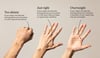
Your dog’s body condition score, an assessment of fat mass, is one of the most important tools for portioning. Adjust portions to support an ideal body condition.
Here are three options:
- Teach the hand trick (see below)
- BCS tool from WSAVA
- BCS tool from the Association for Pet Obesity Prevention
5. Calorie Density of the Food
Not all wet foods have the same calorie content. Always check calories per can or pouch and portion based on total daily calorie needs - not just volume.
The Association of American Feed Control Officials emphasizes that feeding guidelines are estimates and should be adjusted based on the individual dog.
How Much Wet Food To Feed A Dog (General Guidelines)
The best way to find out exactly how much food to feed your dog is with Golden Child’s quiz—just enter your dog’s breed, weight, and age, and you’ll get a tailored recommendation that takes the pressure off figuring it out yourself.
Tips for Measuring Dog Food Portions Accurately
Portion creep is more common than most dog parents realize, but a few simple habits can help keep things consistent and on track:
Use a gram scale when possible
Eyeballing portions can vary from meal to meal. A kitchen scale is the most accurate way to measure, especially for wet or fresh foods. Measuring cups can work in a pinch, but they’re less precise.
Stick to consistent feeding times
Feeding your dog at the same times each day helps regulate appetite, supports digestion, and makes it easier to notice any changes.
Focus on body condition, not just weight
Weight is helpful, but body condition tells the full story. You should be able to feel your dog’s ribs without pressing hard, but not see them prominently. Small adjustments to portions can make a big difference over time.
Lean on pre-portioned meals like Golden Child
When meals arrive already portioned for your dog’s needs, it simplifies your routine and helps keep feeding consistent day to day—so you can spend less time measuring and more time enjoying mealtime together.

Why Golden Child Is a Great Wet Food Option
If you’re leaning toward wet or fresh food, Golden Child is designed to make that choice feel a whole lot easier—combining thoughtful nutrition with everyday convenience and meals your dog genuinely looks forward to.
Here’s what sets it apart:
- Human-grade standards from start to finish: Every ingredient is sourced, handled, and prepared to the same standards as food for people.
- Chef-developed for real enjoyment: Recipes are crafted to support palatability, so mealtime feels like something your dog wants, not just needs.
- Formulated by a full-time board-certified veterinary nutritionist: Each meal is complete and balanced to support long-term health.
- High moisture content: Helps support hydration and makes meals easier and more enjoyable to eat.
- Pre-portioned for your dog’s needs: Meals arrive tailored to your dog, helping keep portions consistent without extra measuring.
- Thoughtful ingredient selection and preparation: Designed to help maintain nutrient integrity while keeping meals gentle and digestible.
And because every box includes both a main meal and a drizzle, you’re not just feeding your dog—you’re elevating the bowl. The drizzle acts like a built-in topper, adding flavor your dog will get excited about while also providing targeted wellness support.
With Golden Child, feeding becomes simpler, more consistent, and a lot more enjoyable—for both of you.
Common Feeding Mistakes With Wet Food
Wet and fresh foods can be incredibly beneficial, but portioning them correctly takes a little awareness. Here are a few common pitfalls to watch for:
- Feeding based on volume instead of calories
Wet food can look like more in the bowl because of its moisture content, but calories—not size—should guide how much you feed. - Mixing wet and dry food without adjusting portions
Combining food types can quietly increase calorie intake if you’re not adjusting amounts on both sides. - Adding toppers without accounting for them
Extras like sauces, treats, or mix-ins can add up quickly and shift your dog’s daily intake more than you realize. - Not adjusting for age or activity changes
As your dog’s routine, age, or activity level shifts, their calorie needs do too. Portions should evolve with them.
Positive Signs You’re Feeding the Right Amount
When portions are dialed in, it usually shows up in small, steady ways:
- Consistent energy levels throughout the day
- Well-formed, regular stools
- A healthy body condition (not under- or overweight)
- A steady, reliable appetite
- Positive feedback at vet visits, including stable weight and overall health
These everyday signals are often the best indication that your dog’s diet—and portions—are working well for them.
Quick Recap: How Much Wet Food To Feed A Dog
If you’re wondering how much wet food to feed a dog, keep these points in mind:
- Portion size should be based on calories - not just the number of cans or cups
- Wet food portions differ from dry food due to moisture and calorie density
- Your dog’s age, size, and activity matter when determining the right amount of food- take the Golden Child quiz for a custom recommendation
- Adjust portions over time based on body condition and lifestyle changes
- Pre-portioned meals can help reduce guesswork and support more consistent feeding
FAQs: Wet Dog Food Portions
How many times a day should I feed wet food?
Most adult dogs do well with two meals per day. Puppies often need three to four meals daily before transitioning to a twice-daily routine.
Can I mix wet and dry dog food?
Yes. Just be sure to adjust portions of each so your dog’s total daily calorie intake stays appropriate.
Is wet food better than dry food?
Neither is inherently better. Wet food may offer higher moisture and palatability, but the most important factor is choosing a complete and balanced diet that fits your dog’s needs.
How do I know if I’m overfeeding?
Signs can include weight gain, reduced activity, or softer stools. Monitoring your dog’s body condition over time is one of the best ways to assess proper portioning.
Does wet food spoil faster?
Yes. Once opened, wet food should be refrigerated and used within the timeframe listed on the label.