

Small dogs may be tiny in size, but their bodies and their standards require quality nutrition that is highly tasty and targeted for their unique needs. If you’ve been hunting for the best food for small dogs, you’re already doing what great dog parents do: treating feeding like an integral part of health and wellness. The right bowl should support steady energy, a happy gut, a glossy coat, and a long, vibrant life.
Let’s dive into what makes small breeds different, the most common nutrition pitfalls, what to look for on labels, how much they should eat, and the best small breed dog food options, including Golden Child, which serves up chef-crafted, vet-formulated recipes that you and your doggo will love.
Why Small Breeds Aren’t Just “Smaller Dogs”
Small-breed bodies have faster metabolism, making them run hotter and faster. The American Kennel Club notes that small-breed adult dogs generally require more calories per pound than large dogs, and they often benefit from food designed for smaller mouths, like smaller pieces for easier chewing.
Big energy in a little body means your small dog needs food that works smarter, not harder: That’s why small dogs do best with:
- Nutrient-dense calories (so they’re fueled without huge portions)
- High-quality protein for lean muscle and energy
- Balanced fats (they’re an energy source and help the skin & coat)
- Digestive support, like prebiotic fiber, to keep them healthy and regular
And because small dogs can be picky (or, in their words, discerning), palatability matters too; your dog can’t benefit from nutrients they just won’t eat.

Nutrition Risks for Small Breeds
Small dogs can thrive for a long time with great nutrition, but they also have a few common risk zones worth knowing.
Low blood sugar (especially toy-breed puppies)
VCA notes that for toy and small dogs, smaller, more frequent meals are often recommended: at least 3 small meals daily for puppies younger than 4 months, and at least 2 meals for adults. And while toy breed puppies can get hypoglycemia, it’s not common.
Urinary tract issues
Small breed dogs can be more prone to urinary tract issues, including bladder stones and urinary crystals, especially when they don’t get enough hydration. Getting more water through a fresh food diet like Golden Child can support urinary tract health.
Dental disease
Dental issues are common across dogs, but they can be more common in smaller breeds. Cornell’s Riney Canine Health Center notes that studies suggest 80–90% of dogs over age 3 have some component of periodontal disease, with an even higher prevalence among smaller breeds.
Food choice can’t replace dental care like teeth brushing and veterinary dental cleanings, but texture, routine, and ingredient quality still matters for dental health.
Weight gain (because “just one treat” is never just one)
The Association for Pet Obesity Prevention’s 2024 survey results report 35% of dog owners categorized their dogs as overweight or having obesity. For small dogs, even a small calorie surplus can become a big problem quickly, so portion control and calorie awareness are key. That’s why Golden Child’s meals are perfect for small breeds — each box is customized based on your dog’s weight, age, and breed. Find your golden child’s perfect meal with our quiz.
Feeding Schedule for Small Dogs: A Simple Framework
A practical feeding schedule for small dogs often looks like:
- Toy/small puppies (<4 months): 3+ meals/day (sometimes more, per your vet’s recommendation and puppy’s needs)
- Adults: 2 meals/day (common recommendation for many dogs), adjusted for activity level
- Seniors: often 2 smaller meals/day, adjusted for activity, dental comfort, and body condition
If your small dog is prone to scarfing, consider slow feeders or portioning meals into puzzle toys, this can help with calmer digestion.
What Ingredients to Look for in Small Breed Dog Food
If you want the best food for small dogs, here are a few things to consider.
Prioritize: complete and balanced nutrition
Look for an AAFCO statement and/or “complete and balanced.” The FDA explains that if a food is labeled “complete and balanced,” it’s intended to be fed as a pet’s sole diet and should be nutritionally balanced.
AAFCO also clarifies that “complete” means the product contains all required nutrients, and “balanced” means those nutrients are in the correct ratios.
Golden Child’s bowls meet AAFCO guidelines for complete and balanced food. See our full ingredient list.
Protein you can name
Look for named animal proteins like chicken, beef, or turkey, along with formulas designed to support small dogs’ higher energy needs. Whole, animal-based proteins provide essential nutrients to fuel your dog’s body and help maintain lean muscle, while careful preparation helps preserve flavor and palatability — keeping your dog excited for every healthy meal.
Healthy fats (especially omega balance)
Fats provide essential energy and help support healthy skin and a shiny coat—especially for small dogs with faster metabolisms. Look for a thoughtfully balanced fat profile: not so much that it risks weight gain or digestive upset, but enough to enhance flavor and deliver the omega fatty acids that support skin health, coat quality, and overall wellness.
Digestive support
Ingredients like prebiotic fiber (e.g. insulin) and other postbiotics with gut-supportive components can help keep digestion steady, especially for small dogs with sensitive tummies.
Whole-food vegetables
Vegetables aren’t just for color and texture; when used well, they contribute fiber and phytonutrients. Phytonutrients are natural plant compounds that support your dog's immune system, help fight cellular damage, and contribute to overall long-term health. Think of them as the behind-the-scenes workers helping your dog's body function at its best.

Types of Food for Small Dogs: Dry, Wet, Specialty, and Fresh
There isn’t one perfect format for every dog. But there are clear tradeoffs.
1. Dry food (kibble)
Pros: Convenient, shelf-stable, and easy to portion
Cons: Typically more processed, lower moisture, and quality varies widely
Small dogs with dental issues may struggle with harder kibble.
2. Wet food
Pros: Higher moisture and often more appealing for picky eaters
Cons: Can be pricier, have strong odor, and often comes with storage/handling considerations after opening
3. Specialty diets (vet-directed)
If your dog has a diagnosed condition (allergies, kidney disease, pancreatitis risk, etc.), a veterinary-guided diet is important and can make a difference.
4. Fresh food (minimally processed with high palatability)
Fresh food, like Golden Child, can be a great match for small dogs because:
- Their portions are small (so it’s easier to manage cost)
- They can be picky (and fresh dog food is often more appealing)
- Moisture can support hydration, digestion, and urinary health
It’s key to choose options that still meet “complete and balanced” standards.
Best Dog Food Brands for Small Dogs: How to Evaluate Your Options
“Best” is a crowded and subjective word. Here’s a smarter way to assess different dog food brands.
Use WSAVA’s quality questions
WSAVA’s guidelines and toolkit emphasize evaluating pet foods by asking about formulation expertise, quality control, and testing—like who formulates the food, whether the company employs qualified nutrition experts, and how safety/quality is ensured.
Validate “complete and balanced” claims
Don’t assume “fresh,” “premium,” or “human-grade” automatically means nutritionally complete.
Match the food to your small dog’s real needs
- Age/life stage
- Activity level
- Dental comfort
- Stool consistency & digestion
- Skin/coat sensitivity
When a brand does this well, you’ll feel it in your dog’s day-to-day: steadier energy, better digestion, and fewer reasons to switch to a different food.
The Best Fresh Food & Drizzles for Small Dogs: Where Golden Child Wins
Now the part your dog has been waiting for: the upgrade.
Golden Child is for dog parents who know their dogs deserve the same quality and health-benefits of food that they enjoy, and that food isn’t just about fuel—it’s about health, longevity, vitality, and of course, taste.
Fresh dog food also tends to be:
- More palatable for picky eaters
- Higher moisture (helpful for hydration)
- Smelly and messy — Golden Child takes care of that with pre-portioned pouches
- Harder to portion precisely (critical for small dogs and weight management) — which Gold Child does for you
Small dogs deserve food that’s nutrient-dense, easy to portion, and genuinely enjoyable to eat. They deserve a bowl that supports their health today and their longevity tomorrow.
Golden Child’s Five-Star Difference
Golden Child doesn’t just do “fresh.” It’s where chef-developed, human-grade flavor meets veterinary-backed nutrition. It’s reimagining what we serve our dogs—upping the flavor, nutrition, and quality. Because our four-legged children deserve the absolute best.
Golden Child is designed around:
- Human-grade handling with ingredients sourced, inspected, and handled like food for people
- High-quality, animal-based protein to fuel small-dog energy and wellbeing
- Functional nutrition support for your dog’s gut, coat, immunity, and vitality
- Flash-frozen veggies (nutrient-dense vegetables frozen at peak quality to help preserve nutrients and texture, so you get “whole nutrition you can see” in the bowl)
- Easy-to-pour, resealable packaging for fast, easy, mess-free meals
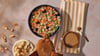
And yes: the bowl looks incredible. It looks like real food. Because it is. It’s not just about aesthetics, it’s about real, whole food that you can actually see. And your doggo can taste.
FAQs: Small Breed Dog Food Questions, Answered
What’s the difference between “small breed dog food” and regular dog food?
Small breed formulas often aim for higher calorie density, smaller pieces for smaller mouths, and nutrient profiles that fit small-dog needs.
How often should I feed my small dog?
VCA commonly recommends at least two meals per day for many dogs, and for toy/small puppies under 4 months, at least 3 small meals per day.
Are small dogs more prone to dental disease?
Yes, periodontal disease is common and can be worse in small breeds.
Is fresh food worth it for small dogs?
For many dogs, fresh food can be a smart match because palatability can be higher and moisture can support hydration and digestion, especially for picky or sensitive small dogs.