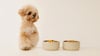

If you’re wondering how to switch dog food, you’ve come to the right place. When done correctly, most dogs adjust well, but if you switch food too abruptly, your dog can experience digestive upset or reluctance to eat.
This guide will walk you through how to transition dog food safely, what to watch for, and how to choose a new food that’s actually worth the switch — like Golden Child, designed with both nutrition and palatability in mind.
Why Switching Dog Food Requires a Transition Period
Dogs tend to do best when their diet is consistent. Changing food abruptly can lead to gastrointestinal upset as their GI tract needs time to adjust to differences in ingredients, nutrient composition, and food format.
For this reason, veterinarians generally recommend making dietary changes gradually to reduce the risk of vomiting, diarrhea, and loss of appetite. Even when switching to a well-formulated diet your dog’s body still needs time to adjust.
How to Safely & Gradually Switch Dog Food
Most veterinarians recommend a slow transition over 7–10 days, especially for dogs with sensitive stomachs. At Golden Child, we recommend a 7-day transition, reaching 100% Golden Child on day 7. Start more slowly if need be (10% if your dog has had an issue with transitioning in the past).
Day 1-2: Serve 25% of Golden Child together with 75% of their old food
Day 3-4: Serve 50% of Golden Child with 50% of their old food and intro a little drizzle
Day 5-6: Serve 75% of Golden Child food and drizzle with 15% of their old food
Day 7: Serve 100% of Golden Child food with the drizzle!
Some dogs may benefit from a slower transition (up to 10–14 days), especially if they’ve had previous sensitivities. Paying attention to stool quality, appetite, and overall comfort can help guide your pace. Slow and steady leads to a cleaner bowl (and healthy bowels).
How Long Does It Take to Safely Transition Dog Food?
Typically 7–10 days. Some dogs can adjust faster, but many benefit from a longer timeline. Factors that may require a slower transition include:
- A history of digestive upset
- Food allergies or sensitivities
- Switching to a very different type of diet or format
- Older age
- Dogs that are known to be picky eaters
The AKC also recommends gradual transitions when introducing new foods or treats.
Adverse Reactions to Watch For When Switching Dog Food
Even with a perfect plan, some dogs might show a few mild signs of change. Here are the common things to keep an eye on to ensure your dog is staying comfortable:
Digestive signs
- Loose stools or diarrhea
- Constipation
- Gas or bloating
- Vomiting
Appetite changes
- Reduced appetite or reluctance to eat
- Eating more slowly
- Sudden pickiness
Skin or coat changes
- Itching
- Redness
- Increased shedding
In many cases, mild symptoms resolve as your dog adjusts. However, if symptoms are severe, persistent or last more than 24–48 hours, contact your veterinarian.
We recommend seeking veterinary guidance anytime a dietary change causes persistent vomiting or diarrhea.
Should I Switch My Dog’s Food Brand Often?
Most dogs do best with a consistent, complete, and balanced diet, but that doesn’t mean they should stay on the same food forever.
Veterinary nutrition guidelines from WSAVA emphasize choosing a diet that fits the dog’s life stage and health needs, then reassessing over time rather than switching for novelty alone. When a change is needed, a gradual transition is usually the easiest way to reduce digestive upset.
That’s why the goal isn’t “never change.” It’s to choose a diet that is appropriate today, monitor how your dog does, and switch when there’s a real reason to do so like your dog could benefit from a new diet approach. Golden Child creates human-grade dog food packed with health benefits like fiber and postbiotics, and delivered with tailored recommendations to support your dog's health and energy.
How to Know If You’ve Properly Switched Your Dog’s Food
Not sure if your dog’s fully adjusted to their new food? As your dog transitions to a new diet, there are a few signs that can suggest they’re adjusting well:
A happy gut
- Consistent, well-formed stools
- Minimal gas
- No ongoing vomiting
Stable energy
- Playful, steady activity levels
- Normal activity and engagement
Healthy skin and coat
- Maintained or improved coat condition
- No new or worsening itching
Enthusiasm at mealtime
- Willingness to eat meals consistently
- Comfort with the new food over time
These day-to-day observations can help you assess how well the new diet is working for your individual dog. Keep in mind that some changes—especially those related to skin and coat—may take several weeks to become noticeable.
Switching From Kibble to Fresh Food
Switching from dry kibble to a fresh food format is a common change for many dog owners. Because these diets differ in moisture content, ingredient composition, and preparation methods, it’s important to approach the transition thoughtfully.
Fresh food is typically higher in moisture and may be more palatable for some dogs, which can influence their enthusiasm for their food. However, digestibility and overall health benefits depend on how the diet is formulated and balanced, rather than the format alone.
If you’re considering a switch, focus on choosing a diet that is complete and balanced for your dog’s life stage and addresses the appropriate health needs of your dog. Transition gradually over time to support a smoother adjustment, and don’t be surprised if your dog can’t wait for their next bowl.
How to Choose a New Dog Food (The Five-Star Criteria)
If you’re learning how to switch dog food, an equally important question is: what are you switching to? Here are a few key factors to consider when choosing a new diet:
1. Complete and balanced nutrition
Look for foods labeled as complete and balanced for your dog’s life stage, based on Association of American Feed Control Officials guidelines. This ensures the diet is designed to meet your dog’s nutritional needs as a sole source of nutrition. Look for food brands that have this label, like Golden Child.
2. Thoughtful formulation: from ingredients and beyond
High quality animal protein might be something you see on a label, but consider the overall formulation. Appropriate levels of protein, fat, essential nutrients, and calorie content all support your dog’s health over time. Then look for nutrients carried by ingredients that are digestible and handled appropriately to maintain quality.
3. Functional ingredients for real results (like in Golden Child’s main and drizzle combination)
- Some diets include components such as fiber sources (e.g. inulin), essential fatty acids, or other nutrients that help support areas like digestion, skin and coat health, and overall wellbeing.
For example, Golden Child mains have fiber and postbiotics to support GI health and immunity, balanced omega-3 fatty acids for skin and coat health, and L-carnitine to support a healthy metabolism. The Golden Child Drizzles are more than a tasty enhancer; they also have glucosamine and eggshell membrane to support mobility.
5. A food your dog actually loves
A food your dog will eat consistently is essential. Watching your dog enjoy their food can make you feel like a proud pet parent.
Why Golden Child Is the Perfect Food to Switch To
Golden Child isn’t just another dog food—it’s designed for dog parents who want a more thoughtful, intentional approach to feeding. From formulation to preparation, the goal is to create a diet that supports both optimal nutrition and an enjoyable feeding experience.
Take Golden Child’s quiz to find the right customized blend of chef-developed, veterinary-backed nutrition for your specific dog based on their size, weight, age, and more.
What makes Golden Child different?
- Recipes developed with both culinary and nutrition expertise, balancing palatability with nutritional goals
- Formulated by veterinary and animal nutrition professionals
- Human-grade standards across ingredient sourcing, handling, and manufacturing
- Ingredient selection and preparation methods designed to help maintain nutrient integrity
- Inclusion of prebiotics and postbiotics, which can help support a healthy gut environment
- A clean bowl: palatable formats that your dog will enjoy
Golden Child is designed to bring together formulation, transparency, and feeding experience—helping dog owners feel confident in what they’re feeding, and helping dogs adjust to a diet that works well for them over time.
Tips for an Easy Golden Child Transition
Gradually transition to Golden Child meals so your dog’s digestive system has time to adjust. We recommend a 7-day transition, reaching 100% Golden Child on day 7. Start more slowly if need be (10% if your dog has had an issue with transitioning in the past).
- Day 1-2: Serve 25% of Golden Child together with 75% of their old food
- Day 3-4: Serve 50% of Golden Child with 50% of their old food and intro a little drizzle
- Day 5-6: Serve 75% of Golden Child food and drizzle with 15% of their old food
- Day 7: Serve 100% of Golden Child food with the drizzle!
If your dog has a sensitive stomach or has had issues switching food in the past, start with smaller portions. On day 1-2, for instance, introduce 10% of Golden Child instead of 25%.
- Keep mealtimes consistent
- Watch stools and appetite closely
- Celebrate the clean bowl
With Golden Child, switching can feel simple. Nutritionally balanced and designed to be highly palatable, so dogs are eager for what’s in their bowl.
Quick Recap: How to Switch Dog Food Safely
If you’re wondering how to switch dog food, here are the key takeaways:
- Transition gradually over 7–10 days (or longer if needed)
- Monitor for changes in stool, appetite, and overall comfort
- Choose complete and balanced foods appropriate for your dog’s life stage
- Prioritize thoughtful formulations targeted for your dog when selecting a new food
Diets designed with both nutritional balance and palatability in mind - like Golden Child - can help support a more seamless transition for many dogs.
FAQs: How To Switch & Transition Dog Food
How long does it take to switch dog food safely?
Most dogs do best with a gradual transition over 7–10 days. Dogs with sensitive stomachs, known picky eaters , or those switching between very different types of diets may benefit from a slower, 10–14-day transition.
What happens if I switch my dog’s food too quickly?
Switching your dog’s food too quickly can lead to digestive upset. Changes in ingredients, nutrient composition, or food format can be difficult for the digestive system to adjust to all at once, which may result in symptoms like diarrhea, vomiting, gas, or reduced appetite.
Gradual transitions give your dog’s digestive system time to adapt and can help minimize these effects.
Should I switch my dog’s food brand often?
Usually no. Most dogs do best on a complete, balanced diet that stays consistent, but that doesn’t mean they should never change foods.
Switch when there’s a real reason, like a life-stage change, a medical need, or poor tolerance. If you do switch, do it gradually.
The goal isn’t to avoid change forever. It’s to choose the right diet for your dog now and update it when needed.
What are common adverse reactions to watch for when switching dog food?
Mild signs can include loose stools, gas, or temporary appetite changes as your dog adjusts. These usually resolve within a few days. If symptoms are severe, persistent, or include vomiting or lethargy, contact your veterinarian.
How do I know if the new food is working?
Look for signs like consistent stools, steady energy, and a normal appetite. Over time, some dogs may also show improvements in coat condition or reduced gas. Keep in mind that changes, especially skin and coat, can take several weeks, and trends over time are more meaningful than day-to-day differences.
Is it different to switch from kibble to fresh food?
Yes. Fresh and dry foods differ in moisture, ingredients, and nutrient composition, so your dog’s digestive system may need time to adjust. A gradual transition is still important, and some dogs may benefit from a slightly slower change when moving between formats.
Can I mix old and new food during the transition?
Yes. Start with a small amount of the new food mixed into increasingly less of the old food and gradually increase the ratio over several days.
What if my dog refuses to eat during the transition?
Some hesitation can happen during a food change. Keep feeding times consistent and consider slowing the transition rather than removing the old food too quickly. If your dog refuses food for more than 24–48 hours, or shows other signs like lethargy or vomiting, pause the transition and contact your veterinarian.
What’s the best food to switch to long-term?
The best long-term option is a complete and balanced diet that fits your dog’s life stage, supports their energy needs, and works well for them consistently.
Look for a food that is thoughtfully formulated, appropriate in calorie content, and one your dog will reliably eat. Diets that combine balanced nutrition with palatability—like Golden Child—can be a good fit for many dogs.